Lifestyle Inflation Calculator
Stop lifestyle inflation from eating into your savings! Use our Lifestyle Inflation Calculator to track your spending and plan a smarter, more sustainable financial future.
How Lifestyle Inflation Impacts Your Finances
Lifestyle inflation refers to increasing your spending as your income rises. This calculator helps you understand how seemingly small lifestyle upgrades can significantly impact your long-term financial health.
1 Enter your current financial situation
Input your current income, expected income growth, and current expenses to establish your baseline financial trajectory.
2 Select lifestyle upgrades
Choose from common lifestyle upgrades or add your own. Each upgrade represents an ongoing increase in your annual expenses.
3 Set projection timeline
Determine how many years you want to project the impact of these lifestyle choices on your finances.
4 Analyze the results
See how these choices affect your savings capacity and the potential investment value you might be giving up.
The Hidden Cost of Lifestyle Inflation
Many people increase their spending as their income rises, limiting their ability to build wealth. The true cost of lifestyle inflation isn't just the money spent, but the potential growth that money could have generated if invested instead.
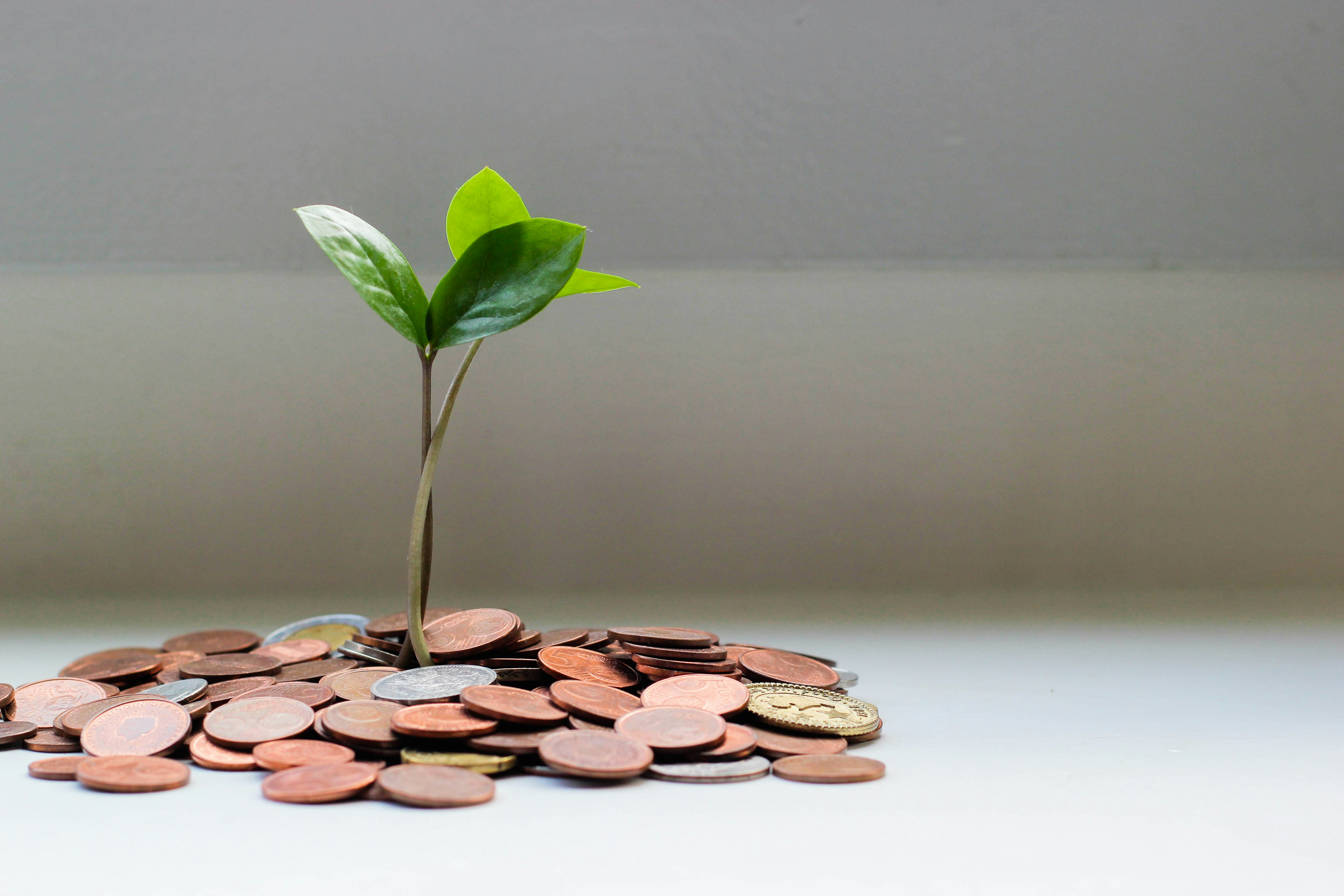
What lifestyle inflation is and why it matters
Lifestyle inflation (also called lifestyle creep) is the tendency to spend more as your income rises. A raise, bonus or new job leads to a bigger flat, a newer car, pricier subscriptions and more frequent dining out. The spending feels earned, but if expenses grow as fast as income, your savings rate stays flat and you never actually get ahead.
This is different from normal price inflation. Here the increase comes from your choices, not from rising prices. The danger is subtle: each upgrade seems small and justified, yet together they can absorb every raise you ever get. The result is earning much more over a career while still feeling that money is tight and the future is unfunded.
The fix is not to never enjoy your income. It is to make sure that spending grows slower than income, so the gap you save keeps widening over time.
How to quantify the impact
The core idea is your savings rate:
Savings rate = (Income - Expenses) / Income
Lifestyle inflation hurts because it keeps this ratio from improving. To measure the long-term cost, compare two scenarios: keeping a portion of each raise versus spending all of it.
A simple rule of thumb is the 50% rule: when your income rises, save or invest at least half of the increase and let yourself enjoy the rest. For example, on a ₹10,000 monthly raise, direct ₹5,000 to investments and spend ₹5,000.
To see the long-term effect, use the future value of a recurring investment:
FV = P x [((1 + r)^n - 1) / r]
where P is the amount invested each period, r is the periodic return rate, and n is the number of periods. As an illustration, investing an extra ₹5,000 a month for 20 years at an assumed 10% annual return (compounded monthly) grows to several times the amount you put in, purely from money you would otherwise have spent on lifestyle upgrades. Future returns are not guaranteed, so treat such figures as examples.
How to keep lifestyle creep in check
You do not need to live like a miser. A few habits keep spending aligned with your goals:
- Automate the raise. Each time your income or SIP capacity rises, immediately increase your investment by a fixed share before the money reaches your spending account.
- Use the 50% rule on raises and bonuses so lifestyle improves gradually while wealth grows.
- Separate needs, wants and upgrades. Be deliberate about which lifestyle upgrades genuinely add lasting happiness and skip the ones that do not.
- Watch recurring commitments. Subscriptions, larger EMIs and bigger rent are the most damaging because they repeat every month and are hard to reverse.
- Track your savings rate yearly. If your income has grown but your savings rate has not, lifestyle inflation is at work.
To interpret results from a calculator: focus on the gap between the two paths. The difference between spending a raise and investing part of it, projected over 10-20 years, shows the real cost of lifestyle creep. Even modest amounts redirected early can compound into a meaningful sum, while small leaks repeated for decades quietly drain your wealth.
Frequently Asked Questions
Lifestyle inflation, or lifestyle creep, is when your spending rises along with your income. As you earn more, you upgrade your home, car, gadgets and habits, so your savings rate stays flat and you do not build extra wealth despite earning more.
Regular inflation is the rise in prices across the economy that you cannot control. Lifestyle inflation comes from your own choices to spend more as income grows. One affects everyone; the other is personal and within your control.
A practical guideline is the 50% rule: save or invest at least half of any income increase and enjoy the other half. This lets your lifestyle improve while your savings rate keeps rising over time.
Money spent on ongoing upgrades cannot be invested, so you lose both the amount and its future compounded growth. Over 15 to 20 years, even a few thousand rupees a month redirected to investments can grow into a substantial corpus.
Compare two paths: spending each raise versus investing part of it. Apply the future value formula FV = P x [((1 + r)^n - 1) / r] to the invested amount over your time horizon. The gap between the two outcomes is the real cost of lifestyle creep.
Not entirely. Some increase in spending as you earn more is reasonable and improves quality of life. It becomes a problem only when spending grows as fast as or faster than income, leaving nothing extra to save and invest.